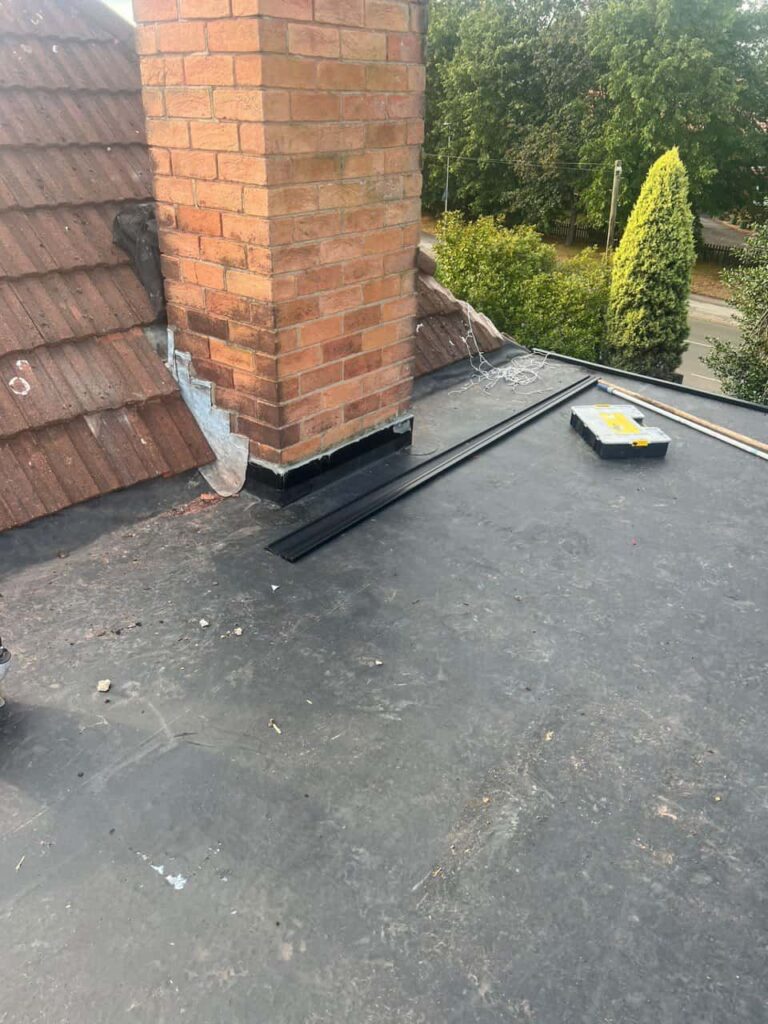
Flat roofs are a popular feature on many properties, providing practical coverage for extensions, garages and other parts of a building. However, their performance depends on more than the condition of the main roof surface. Edges, joints and connection points are particularly important because they are often exposed to movement, moisture and changing weather conditions.
Over time, these vulnerable areas can develop gaps, cracks and weaknesses that allow water to penetrate beneath the roofing materials. For homeowners and property owners in Liphook, Hampshire, regular attention to flat roof edges and joints can help prevent avoidable damage and maintain the roof’s long-term performance.
Why Are Flat Roof Edges and Joints Particularly Vulnerable?
Unlike the main surface of a flat roof, edges and joints involve transitions between different materials or sections of the building. These areas must remain properly sealed to prevent rainwater from entering the underlying structure.
Roof edges are exposed to wind-driven rain and temperature changes, while joints can experience movement as roofing materials expand and contract. Even a small weakness in these locations can gradually develop into a leak.
Common vulnerable areas include:
- Roof perimeters where the covering meets the wall or fascia.
- Joints between adjoining sections of roofing material.
- Upstands around rooflights and other roof features.
- Junctions between flat roofs and adjoining walls.
- Seams and overlaps within the waterproof membrane.
Keeping these areas in good condition is essential for maintaining an effective waterproof barrier.
1. Preventing Water from Entering Through Weak Seals
One of the main reasons flat roof edges and joints need regular attention is their vulnerability to water ingress. When sealants deteriorate or membrane edges begin to lift, rainwater can find its way underneath the roofing system.
Initially, the damage may be difficult to notice. However, continued moisture penetration can affect insulation, roof decking and internal ceilings.
Regular inspections help identify deteriorating seals, small openings and damaged joints before they develop into more extensive problems. Where necessary, professional flat roof repairs can restore the affected areas and help prevent further water penetration.
2. Identifying Cracks and Splits Before They Spread
Changes in temperature can cause flat roofing materials to expand and contract. Over time, this repeated movement can contribute to cracking, splitting or separation around joints and edges.
Small cracks may appear insignificant, but they can gradually widen as the roof continues to experience changing weather conditions. Once the waterproof surface is compromised, rainwater can enter the underlying layers.
Pay particular attention to visible splits along membrane seams, cracked sealant around roof edges and areas where roofing materials appear to have separated.
Addressing these defects early can help prevent localised damage from spreading across a larger section of the roof.
3. Checking for Lifting or Loose Roof Edges
Flat roof edges must remain securely attached to prevent wind from getting underneath the roofing covering. If the perimeter detailing becomes loose, strong gusts can lift exposed sections and place additional strain on the surrounding material.
Signs of potential problems include raised membrane edges, loose trims, visible gaps and sections that no longer sit firmly against the roof structure.
These defects should be assessed by a roofing specialist, as simply pressing down or covering a loose section may not resolve the underlying issue. Proper repairs help restore the integrity of the roof perimeter and reduce the risk of further deterioration.
4. Maintaining Effective Drainage Around Roof Joints
Although drainage outlets are not always located directly beside roof edges, their condition can influence how well the entire flat roofing system performs.
Blocked outlets, poor drainage or standing water can place additional pressure on vulnerable joints and seams. When water remains on the roof for extended periods, existing weaknesses may become more problematic.
Regular maintenance should include checking that water can flow towards the drainage points without obstruction. Any signs of persistent ponding, particularly near joints or roof edges, should be investigated to establish whether the roof covering or drainage arrangement requires attention.
5. Protecting the Roof Structure and Internal Areas
Damaged edges and joints can allow moisture to reach parts of the roof that are not designed to remain exposed to water. Once moisture enters beneath the waterproof covering, it may affect insulation, timber decking and supporting components.
Inside the property, possible warning signs include:
- Damp patches on ceilings near the flat roof.
- Peeling paint or discolouration.
- Musty smells around rooms beneath the roof.
- Water staining along adjoining walls.
- Dampness within accessible roof spaces.
These symptoms should not be ignored, even if the roof surface appears relatively intact. A professional inspection can help trace the source of moisture and establish whether repairs are required.
6. Why Professional Flat Roof Maintenance Makes a Difference
Some flat roof problems are not immediately visible from ground level. Deterioration can develop beneath trims, around membrane overlaps or at junctions where different roofing materials meet.
A professional roofing assessment provides an opportunity to examine these vulnerable details and identify defects before they become more disruptive. Depending on the roof’s construction and condition, suitable work may include renewing damaged seals, repairing membrane joints, securing loose edges or addressing defective flashing.
Liphook Roofing Repairs provides roofing assistance in Liphook, Hampshire, helping property owners identify and resolve problems affecting flat roofs. With attention given to the edges, joints and other vulnerable sections, appropriate repairs can help maintain the roof’s waterproofing and overall condition.
Conclusion
Flat roof edges and joints play an important role in preventing water penetration and protecting the structure beneath the roofing materials. Because these areas are exposed to weather, movement and general deterioration, regular attention is essential for identifying problems before they become more extensive.
Cracked seals, lifting membrane edges, damaged joints and persistent water ingress are all signs that professional attention may be needed. If you have concerns about the condition of your flat roof, contact Liphook Roofing Repairs to arrange an assessment in Liphook, Hampshire and find out what work may be required to keep your roof in good condition.
Call us on: 01428 770 594
Click here to find out more about Liphook Roofing Repairs
Click here to complete our contact form and see how we can help with your roofing needs.