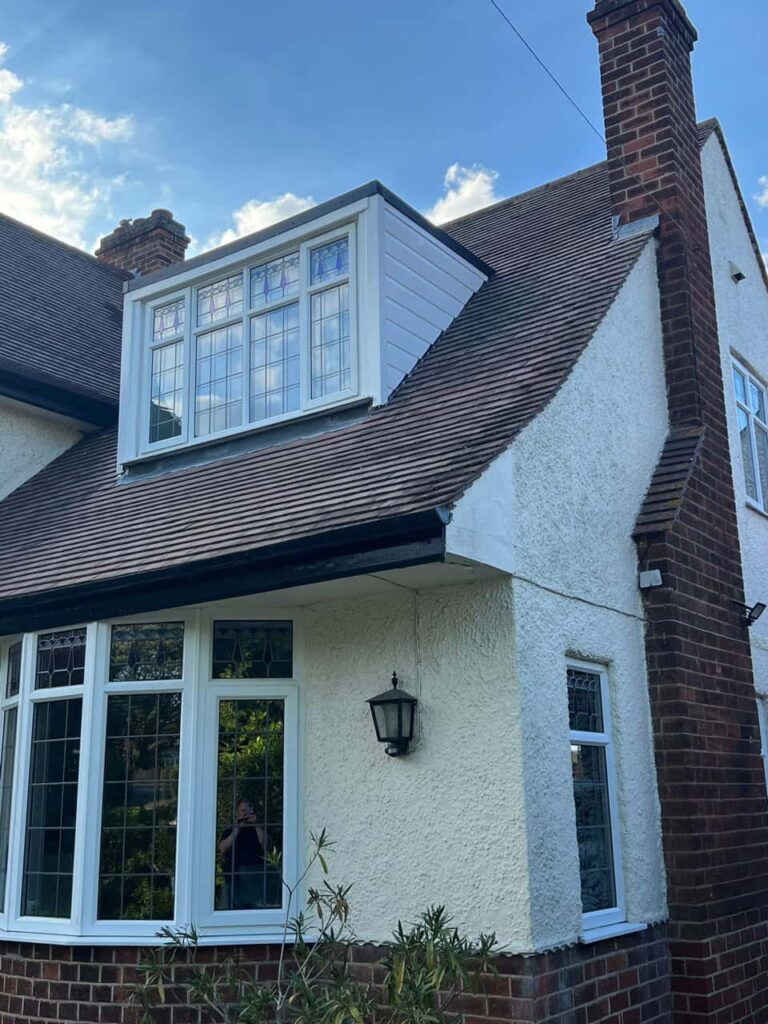
Slate roofs are admired for their timeless beauty and outstanding durability, often lasting for over a century when properly maintained. However, like any roofing material, slates are not immune to wear and environmental stress. Over time, they can become loose, displaced, or cracked, compromising the roof’s ability to protect your property from the elements. Understanding the causes of these issues — and how to prevent them — is key to preserving the strength and appearance of your roof. For property owners in Liphook, Hampshire, Liphook Roofing Repairs provides expert slate roof maintenance and repair services to ensure your roof remains both secure and elegant for many years.
The Importance of Maintaining Slate Roofs
A slate roof represents a long-term investment in your property. It offers exceptional weather resistance, fire protection, and an unmistakable aesthetic appeal. However, slate tiles rely on precise installation and ongoing care to perform at their best. Even a single slipped or cracked tile can lead to water ingress, damp patches, and further structural issues if left unattended. Regular maintenance helps avoid these problems and ensures your roof continues to deliver full protection.
Common Causes of Slate Slippage and Cracking
Identifying what causes slates to slip or crack is the first step towards prevention. The most frequent culprits include:
1. Ageing Fixings and Nails
One of the most common causes of slate slippage is the deterioration of the nails or fixings used to secure them. Over time, these can corrode or weaken, a problem often referred to as “nail sickness.” As the fixings fail, the slates can shift out of place, especially during strong winds or heavy rain.
2. Improper Installation
If slates are not correctly installed — for instance, if the nails are driven too tightly or placed incorrectly — stress can build up, eventually causing cracks or displacement. Poor alignment and inadequate overlap also increase the likelihood of water penetration and movement.
3. Weather Exposure
The British climate exposes roofs to a constant cycle of freezing, thawing, and heavy rainfall. These conditions can cause slates to expand and contract slightly, leading to cracks or fractures over time. High winds can also dislodge poorly fixed slates.
4. Foot Traffic or Impact Damage
Walking on a slate roof can easily cause damage, as slates are strong but brittle. Impact from debris, overhanging branches, or falling objects can also lead to cracks and breakage.
5. Natural Wear and Tear
Even the highest-quality slate will eventually show signs of ageing. Over many years, exposure to moisture, moss, and temperature changes can weaken individual tiles, making them more susceptible to movement and cracking.
How to Prevent Slate Slippage and Cracking
The good news is that with proper care and maintenance, most slate roof issues can be avoided. Preventative measures not only extend the lifespan of your roof but also reduce the likelihood of unexpected repairs.
Regular Roof Inspections
Scheduling routine inspections by professionals such as Liphook Roofing Repairs ensures that minor issues are identified before they develop into major problems. Inspections typically involve checking for loose or missing slates, signs of corrosion in the fixings, and early indications of cracks.
Professional Refixing and Re-nailing
When older fixings begin to fail, replacing them with modern, corrosion-resistant nails or clips can significantly increase the roof’s longevity. This process, known as “re-nailing,” secures loose slates back into place without requiring a full roof replacement.
Careful Cleaning and Moss Removal
Moss and algae can retain moisture, which may freeze in cold weather and cause slates to crack. Gently cleaning the roof and removing organic growth helps prevent this. However, this work should always be carried out by professionals to avoid damaging the tiles or underlay.
Maintain Lead Flashings and Ridge Details
Flashing and ridge details play a key role in keeping water away from vulnerable areas of the roof. Damaged or deteriorated flashing can allow moisture to seep underneath slates, increasing the risk of lifting or cracking. Ensuring that leadwork remains intact is an essential part of slate roof maintenance.
Limit Roof Traffic
Access to slate roofs should be restricted as much as possible. When maintenance is necessary, professionals use walk boards and safety equipment to distribute weight evenly and prevent direct pressure on the tiles.
Monitor Surrounding Trees
Branches that hang over the roof can cause damage during storms or windy conditions. Regularly trimming nearby trees helps reduce the risk of slates cracking or slipping due to falling debris.
Early Warning Signs to Watch For
Homeowners can often spot the first signs of roof trouble with a simple visual check from ground level or through an internal inspection. Look for:
- Missing or visibly slipped slates
- Damp spots or water stains on ceilings or walls
- Small fragments of slate in gutters or on the ground
- Moss build-up or uneven tile patterns
If any of these warning signs appear, contacting Liphook Roofing Repairs promptly can prevent further deterioration and costly repairs.
Why Professional Maintenance Matters
Slate roofing requires specialist knowledge and the right tools to maintain effectively. Attempting DIY repairs can often do more harm than good, as incorrect handling may cause additional cracks or disrupt the natural overlap of the tiles.
Professional roofers have the expertise to:
- Identify underlying causes of slippage or cracking
- Replace damaged or missing slates with precision
- Inspect the entire roof structure, including battens and fixings
- Ensure long-term waterproofing and stability
At Liphook Roofing Repairs, we use proven methods to restore and strengthen slate roofs throughout Liphook and the wider Hampshire area. Our maintenance and repair services are designed to preserve your roof’s integrity and keep it performing at its best for decades.
The Long-Term Benefits of Preventative Care
Investing in preventative maintenance offers several long-term advantages:
- Extended lifespan: Regular upkeep ensures slates remain secure and intact for generations.
- Improved appearance: A well-maintained slate roof retains its distinctive character and charm.
- Reduced repair costs: Identifying issues early prevents small problems from escalating into major damage.
- Enhanced property value: A strong, attractive roof adds both appeal and longevity to your home.
When to Schedule a Professional Inspection
Homeowners in Liphook should consider a roof inspection:
- Every few years for routine maintenance
- After severe storms or high winds
- If leaks, damp, or visible damage are detected
- When buying or renovating a property with an existing slate roof
These proactive steps help ensure that your roof continues to perform at its full potential.
Conclusion
Preventing slate slippage and cracking requires regular attention, professional care, and an understanding of how your roof responds to the elements. By maintaining fixings, inspecting for damage, and avoiding unnecessary stress on the roof, homeowners can preserve both the appearance and function of their slate tiles for many years. For expert maintenance and repairs in Liphook, Hampshire, Liphook Roofing Repairs provides reliable, high-quality roofing services that keep slate roofs strong, secure, and built to last.
Call us on: 01428 770 594
Click here to find out more about Liphook Roofing Repairs
Click here to complete our contact form and see how we can help with your roofing needs.