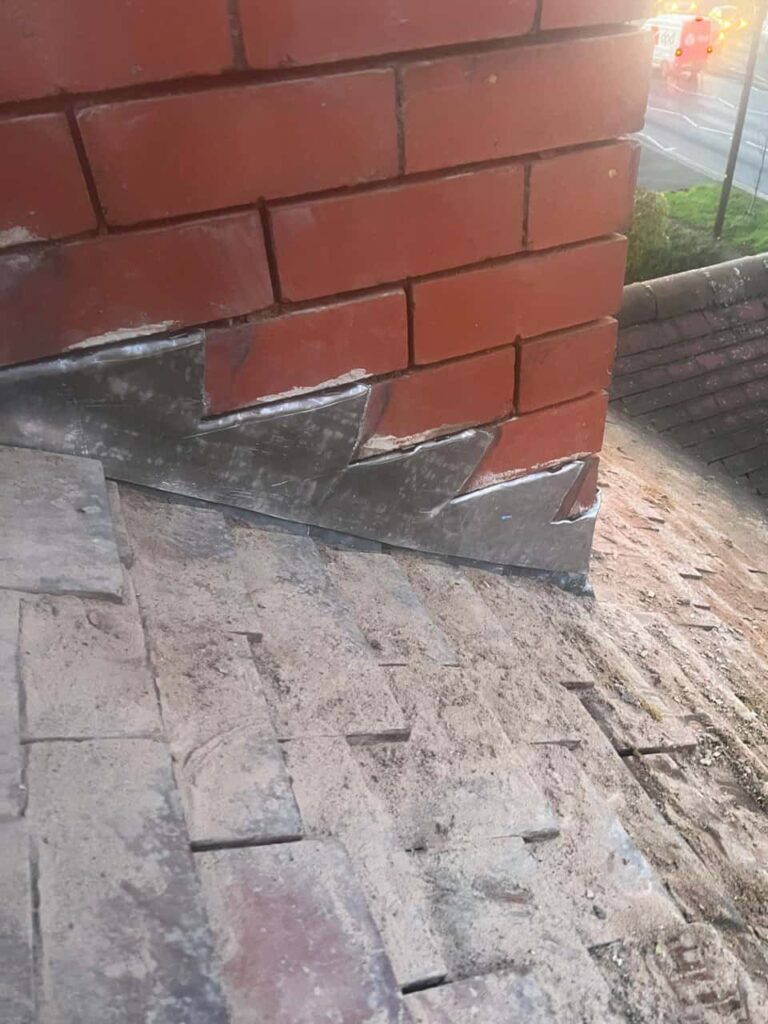
Storms can cause sudden damage to a roof, leaving a property vulnerable to rainwater, strong winds and further deterioration. Missing tiles, damaged flashing, loose roof coverings and leaks are common problems that may require urgent attention. Knowing what to do after a storm can help protect your home while you arrange the necessary repairs.
For homeowners in Liphook, Hampshire, acting promptly after storm damage is important, particularly when the roof has been exposed to heavy rainfall or strong winds. Understanding the immediate steps to take can help reduce the risk of additional damage and make it easier for a roofing professional to assess the situation.
How to Respond to Roof Damage After a Storm
1. Check for Immediate Safety Risks
Your first priority should be the safety of everyone inside the property. Look for signs of serious damage from a safe position, including sagging ceilings, visible structural movement, fallen roof materials or water close to electrical fittings.
Avoid entering rooms where the ceiling appears unstable, and do not touch wet electrical equipment. If water is reaching electrical installations, keep clear and seek appropriate professional assistance.
Never climb onto a damaged roof during or after a storm. Wet surfaces, loose tiles and weakened structures can make roof access extremely dangerous, even when the weather appears to have improved.
2. Look for Visible Signs of Roof Damage
Once it is safe, inspect the property from ground level to identify any obvious changes. Signs of storm damage may include missing or displaced tiles, damaged ridge tiles, loose guttering, fallen debris or sections of roofing material that appear lifted.
You may also notice damage around chimneys, roof edges and flashing, where strong winds and rain can affect vulnerable joints.
Do not attempt to retrieve loose materials or inspect damaged sections at height. Instead, note what you can see safely and share these observations with your roofer. This information can help the professional understand the likely extent of the problem before carrying out a closer inspection.
3. Watch for Leaks and Water Ingress
Not all storm-related roof damage is immediately visible from outside. Water may enter through a small gap in the roof covering, damaged flashing or a displaced tile before appearing indoors.
Look for damp patches on ceilings, water staining near external walls, dripping water in the loft or wet insulation where it is safe to observe. New or worsening signs of dampness after a storm should be investigated promptly.
If water is dripping indoors, move furniture and belongings away from the affected area where possible. Place a suitable container beneath minor drips if it is safe to do so, but avoid standing beneath a bulging ceiling or attempting to catch water from an unstable surface.
4. Take Reasonable Steps to Limit Further Damage
Where it is safe, move valuable belongings away from affected areas and use containers to collect small amounts of leaking water. Keep people away from rooms with damaged ceilings or falling debris.
Temporary coverings may sometimes help limit water entry, but they should only be installed by someone with the appropriate equipment and experience. Do not climb onto the roof or use ladders in windy, wet or otherwise unsafe conditions.
A professional roofer can advise on suitable temporary measures and arrange emergency work where the damage leaves the property exposed to the weather.
5. Arrange an Emergency Roofing Assessment
When storm damage affects the roof’s ability to keep out water, prompt professional attention can help prevent the problem from becoming more extensive. Even damage that appears minor from the ground may involve broken tiles, loose ridge materials or defects around roof junctions.
A roofing professional can inspect the affected areas, identify the likely source of water ingress and determine which repairs are needed. Depending on the findings, the work may involve securing loose materials, replacing damaged tiles, repairing flashing or restoring sections of the roof covering.
If the roof has suffered substantial damage, the roofer can explain the immediate steps needed to make the affected area safer and more weather-resistant before any further work is undertaken.
Why Prompt Storm Damage Roof Repairs Matter
A damaged roof can allow rainwater to reach roof timbers, insulation and internal finishes. If moisture continues to enter, the affected areas may deteriorate further, and damp patches can spread beyond the original leak.
Prompt repairs help address exposed areas before additional rainfall causes more problems. They can also reveal related defects that might otherwise remain unnoticed, such as damaged flashing or weakened roof components.
For properties in Liphook, Hampshire, arranging an assessment after significant storm damage provides an opportunity to identify problems early and establish the most appropriate repair plan.
Preventing Further Roofing Problems After Severe Weather
Although storms cannot be prevented, routine roof maintenance can help identify vulnerabilities before severe weather arrives. Periodic checks of visible roof coverings, flashing, ridge tiles and guttering can reveal deterioration that needs attention.
Keeping gutters and drainage routes clear also helps rainwater flow away from the property. If you notice loose tiles, recurring leaks or damaged roof details before a storm, arranging repairs promptly may reduce the risk of those defects becoming more serious during severe weather.
Any inspection involving roof access should be carried out by a suitably equipped professional rather than attempted from a ladder or by walking on the roof.
Emergency Roofing Services in Liphook, Hampshire
Storm damage can be stressful, particularly when a roof begins leaking or parts of the covering become displaced. Knowing when to keep clear of a damaged area, how to recognise visible warning signs and when to seek professional assistance can help you respond more confidently.
Liphook Roofing Repairs can help homeowners address storm-related roofing problems and assess the repairs needed to protect their property. If your roof has been damaged by strong winds or heavy rain, contact Liphook Roofing Repairs to discuss the issue and arrange professional assistance in Liphook, Hampshire.
Conclusion
After storm damage, prioritise safety, check for visible problems from the ground and look for signs of water entering the property. Avoid climbing onto a damaged roof, and arrange a professional assessment when tiles, flashing or other roofing components have been affected.
Acting promptly can help limit further deterioration and establish which repairs are necessary. If you are concerned about storm damage to your roof, contact Liphook Roofing Repairs for assistance in Liphook, Hampshire.
Call us on: 01428 770 594
Click here to find out more about Liphook Roofing Repairs
Click here to complete our contact form and see how we can help with your roofing needs.